

10
2020
-
11
How to make delicious and chewy noodles
Besides steamed buns, which are a popular type of noodle dish, noodles themselves are also widely loved—especially in northern regions. In cold weather, enjoying a bowl of noodles is an excellent way to keep warm. Noodles available on the market come in two main types: dried noodles and fresh noodles. This means there are machines specifically designed for producing both fresh and dried noodles. So, how do you operate a machine that makes fresh noodles? (1) Inspection: Before each use, check the dough hopper for any debris or contaminants, and clean it as needed. (2) Test Run: Before starting the rolling process, connect the power supply and press the “Start” button to run the noodle machine empty for several rotations. During this test, check for any unusual noises, ensure the dough hopper is securely fastened, and verify that the transmission system is functioning properly. Never operate the machine in the reverse direction. (3) Mixing the Dough: The moisture content during dough mixing must be appropriate, as it directly affects the quality of the noodles. The ideal standard for dough mixing is as follows: The mixed dough should have a loose, granular texture; when squeezed firmly by hand, it should form a ball but easily crumble back into granules when gently pinched. The typical ratio of flour to water is around 10:2.7 to 10:3.0, assuming a standard flour moisture content of 14%. (4) Feeding the Dough: It’s best to let the mixed dough rest for about ten minutes before proceeding with the pressing process. Evenly pour the rested dough into the hopper, where it will automatically feed into the first pair of rollers and be initially pressed into sheets. The sheets then move on to the second pair of rollers for further flattening. After being flattened, the dough sheets are manually pulled out and fed into the third pair of rollers. Once processed through the third pair of rollers, the dough sheets automatically proceed to the fourth pair of rollers for additional thinning and smoothing. Next, the dough sheets pass through the noodle-cutting blade, which cuts them into uniformly sized noodles. Finally, a conveyor belt transports the cut noodles out of the machine. Noodles produced by fresh noodle machines are delicious and chewy, and they can be made using a dough-mixing machine as well.
Besides steamed buns, which are a relatively popular noodle dish, Noodles It’s also widely loved, especially in northern regions. Eating a bowl of noodles when it’s cold is a great way to keep warm. Noodles available on the market come in two main types: dried noodles and fresh noodles—meaning there are machines specifically designed for producing both fresh and dried noodles. So, how exactly do you operate a machine that makes fresh noodles?
(1) Inspection: Before each use, check whether there are any foreign objects or contaminants inside the mixing bowl and clean it as needed.
(2) Trial Run: Before starting the rolling process, connect the power supply and press the “Start” button to run the noodle machine idly for several rotations. Check whether there are any unusual noises, whether the dough hopper is securely fastened, and whether the transmission system is operating normally. Running in the reverse direction is strictly prohibited.
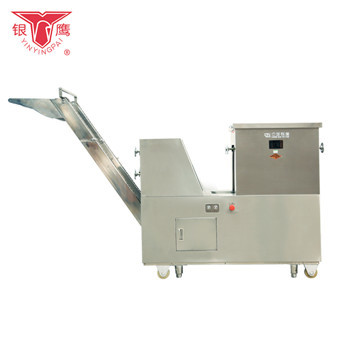
(3) Mixing the Dough: The moisture content during dough mixing should be appropriate, as it directly affects the quality of the noodles. The quality standard for mixed dough is as follows: The kneaded dough should have a loose, granular texture; when squeezed in the hand, it should form a ball, but when gently pinched, it should revert back to its granular state. The typical ratio of flour to water is around 10:2.7 to 10:3.0. This parameter is based on the standard moisture content of 14% for wheat flour.
(4) Dough Feeding: It’s best to let the mixed dough rest for ten minutes before proceeding with noodle pressing. Pour the well-rested dough evenly into the hopper, where it will automatically feed into the first pair of rollers and be initially pressed into sheets. The sheets then move on to the second pair of rollers for further sheet formation. After the sheets are combined, workers manually pull them out and feed them into the third pair of rollers. Once the dough sheets pass through the third pair of rollers, they automatically proceed to the fourth pair of rollers, where they are further flattened and polished. Next, the dough sheets enter the noodle-cutting machine, which cuts them into noodles of uniform length. Finally, a noodle-cutting blade ensures that all noodles have consistent lengths. The cut noodles are then conveyed by a conveyor belt to the outside of the machine.
The noodles produced by the fresh noodle machine are delicious and chewy, and can be paired with... Dough mixer Produce noodles.
Related News
2023-01-07
Contact Us
Postal Code: 250204
Company Address: Yin Ying Industrial Park, Zhangqiu District, Jinan City, Shandong Province
Copyright © 2025 Shandong YinYing Catering Machinery Co., Ltd. Website Development:Chinese enterpriseCross-border SEO Business license
